
ECF Knowledge Center
Technical insight for complex environmental decisions.
Browse perspectives, methods, case strategies, and regulatory developments from ECF scientists.
Resource Library
6 resources

Vapor Intrusion Source Identification: When the Obvious Source Isn’t the Real One
When the Obvious Source Isn’t the Real One: Vapor Intrusion Vapor intrusion cases carry a particular kind of pressure. A building shows detectable levels of benzene, toluene, or other volatile compounds in its indoor air, there is a known contamination source somewhere nearby or below, and everyone in the room wants an answer to the…
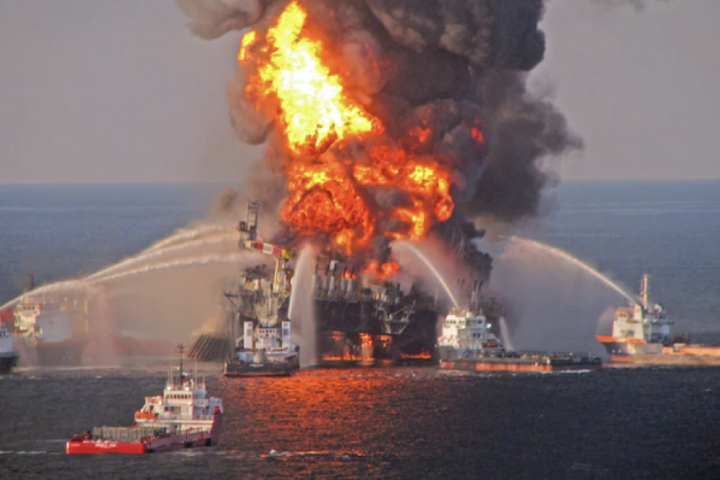
Deepwater Horizon
Tracing Macondo Oil Along 1,300 Miles of Gulf Coast Shoreline Some contamination events unfold at a scale that makes ordinary site investigation methods feel almost quaint. When the Deepwater Horizon platform exploded in April 2010 and the Macondo well released oil into the Gulf of Mexico for 87 days, the resulting shoreline impact stretched across…
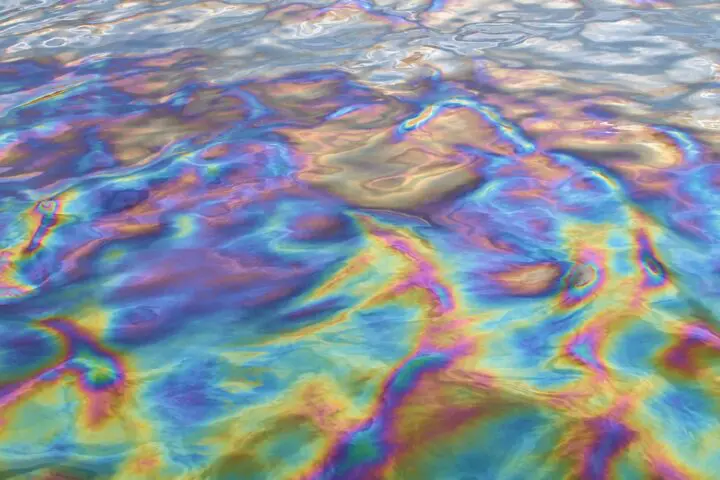
Dr. Jerry Neff Tribute: Advancements in Pyrogenic PAH forensics
I walked into Dr. Jerry Neff’s office at Battelle Memorial Institute (Duxbury MA) in 2000 hoping to discuss polycyclic aromatic hydrocarbons (PAHs). I walked out two hours later infinitely more aware of contaminant toxicity and risk assessment from one of the most generous thought-leaders in the business. Under my arm I held a signed copy…
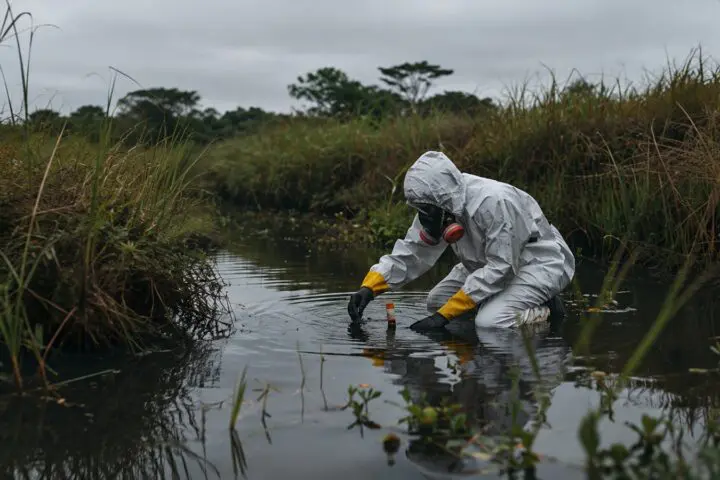
Introduction to Environmental Forensics
Environmental forensics focuses centrally on determining contaminant origins. In its infancy, it relied heavily on measurements of priority pollutants using standard methods and declining gradients from the point of release to the area of impact. While these techniques continue to work well, over the years practitioners cross-fertilized univariate methods from the 1970’s with a broad…
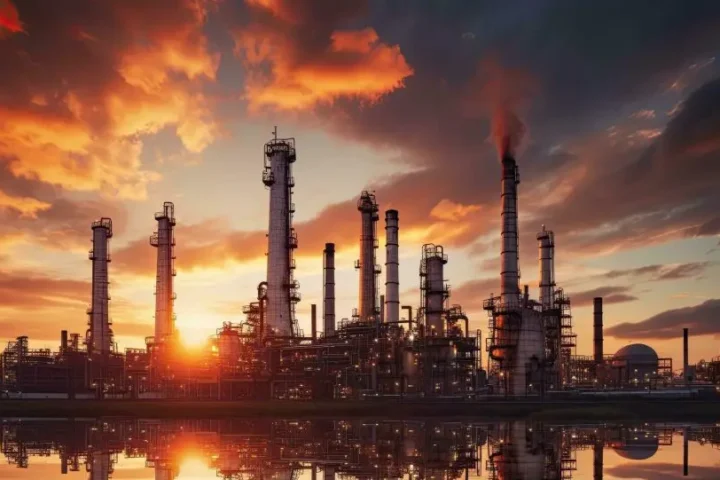
Hydrocarbon Fingerprinting
Petroleum, coal tar, and refined hydrocarbon products are not typically single, uniform substances. Each one carries a distinct chemical composition shaped by its starting materials, process of formation, and environmental degradation. Chemical fingerprinting is the branch of environmental forensics that measures and assesses the composition of hydrocarbon residues in contaminated media (e.g., oil, soil, sediment,…
Differentiating Commingled PCE and TCE Plumes
Groundwater contamination is prevalent in the developed world due to incidental industrial, commercial, and residential releases of solvents, cleaners, refrigerants, and other substances. The diversity of sources can present complicated source-identification challenges in areas with multiple potential origins. Environmental investigations in developed areas often encounter sites where several historical operations each had plausible access to…
From insight to action
Bring us the question behind your environmental data.
ECF scientists help teams interpret complex evidence, identify sources, and choose a defensible path forward.