
Our Defensible Environmental Forensics Projects
Explore real-world investigations that resolve complex contamination challenges.
Documented Outcomes & Defensible Science
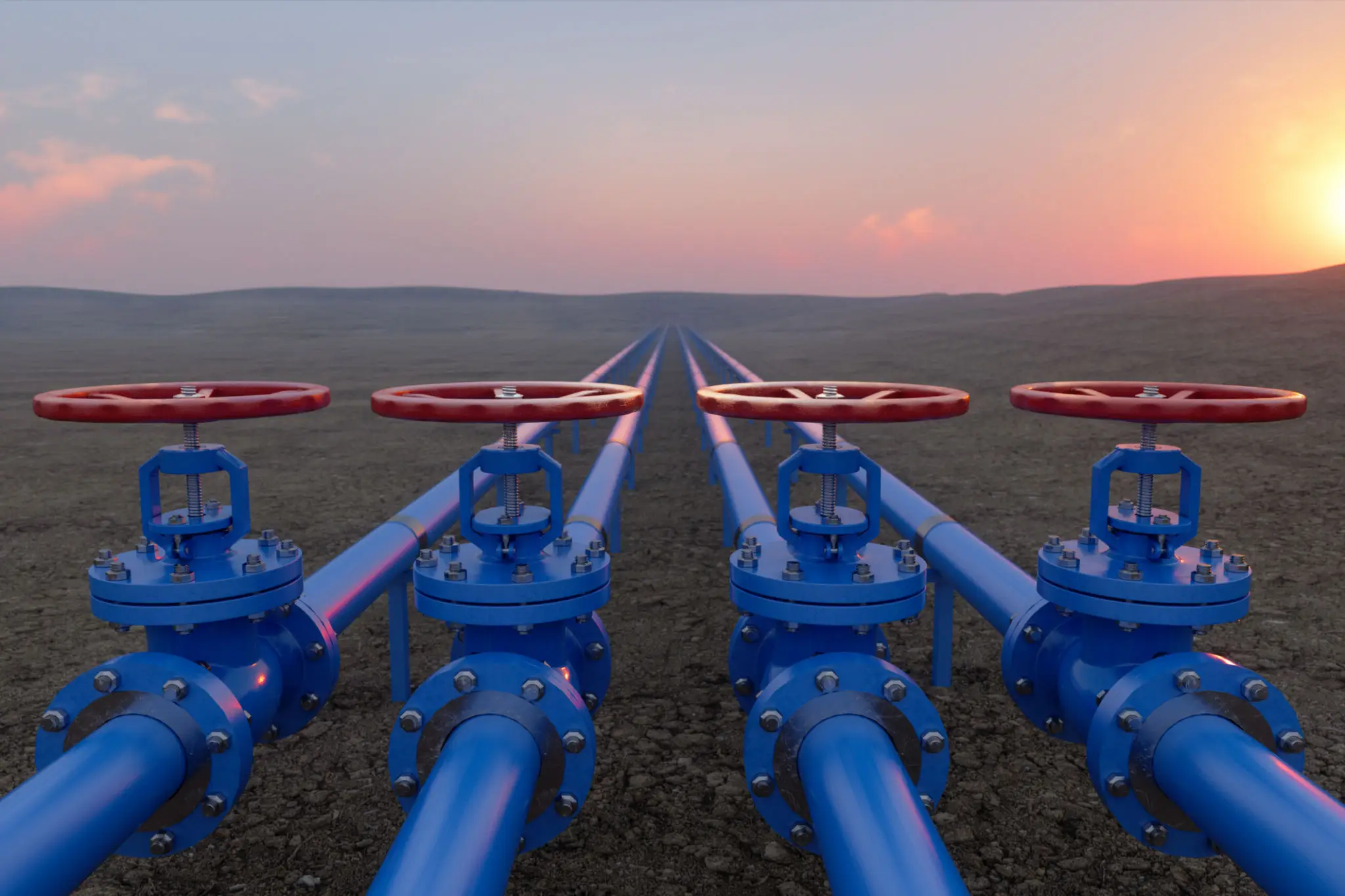
Mixed Chlorinated Solvent Releases
ECF employs multiple lines of evidence to track fugitive impacts of chlorinated solvents and additives from wastewater systems, dry cleaners, automotive service stations, degreasing, and manufacturers of avionics, circuit boards, textiles, and others.
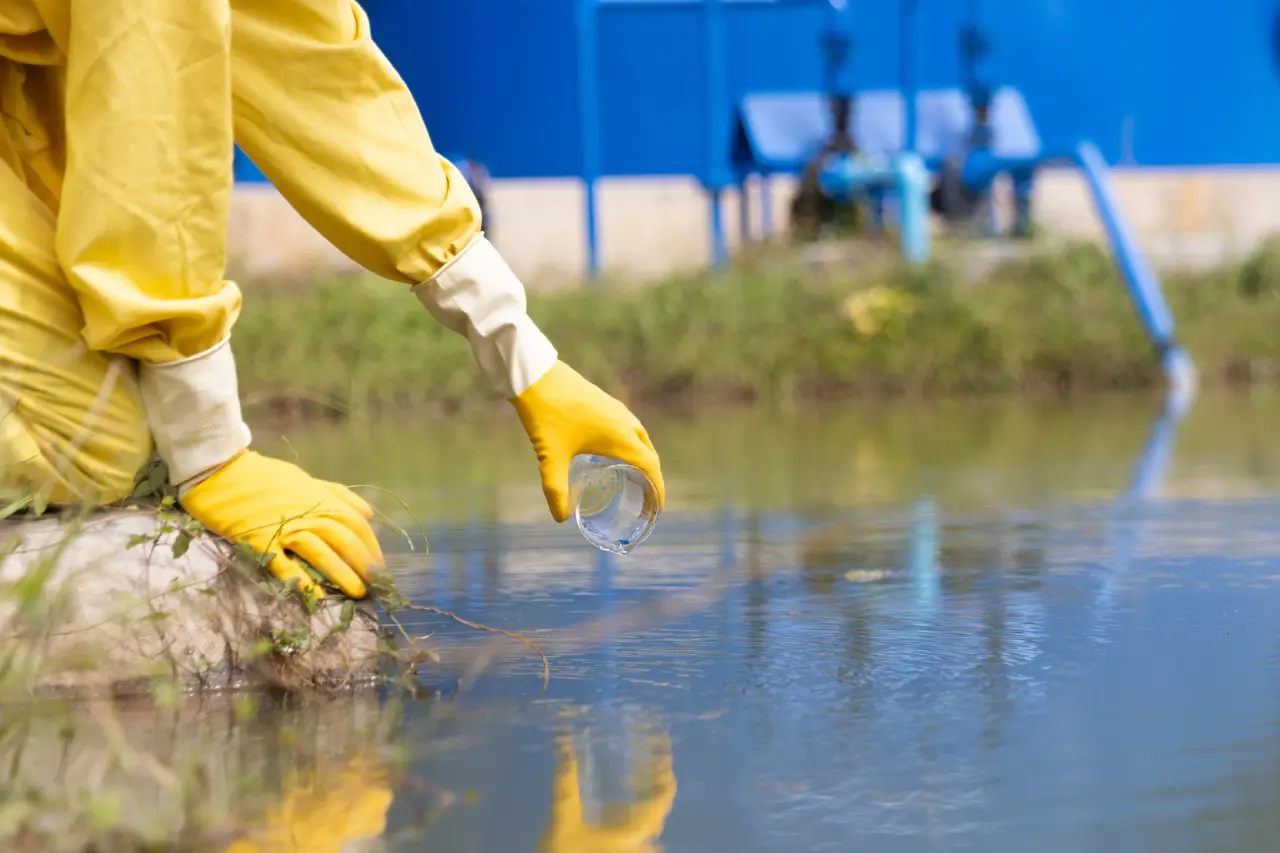
Water Contamination
ECF deconvolutes water soluble contaminant plumes using highly sensitive testing methods, degradation indices, diagnostic non-target analytes, and stable isotopes. Spatial gradients provide synoptic roadmaps between source and release areas.
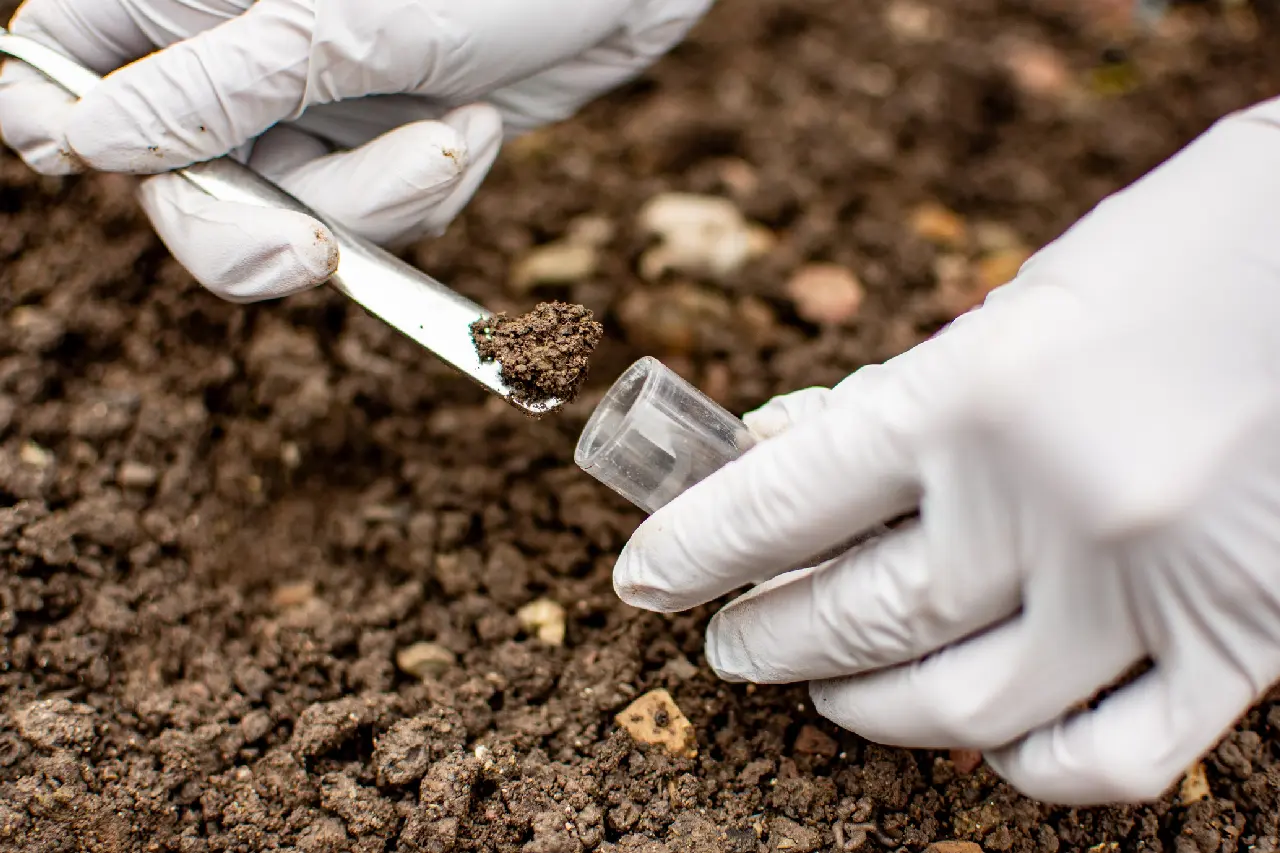
Soil Contamination
Sources of contaminants in soil often originate from multiple sources (e.g., natural, fill, and atmospheric deposition). ECF distinguishes these sources using small-interval sampling and advanced analytical methods (e.g., organics, inorganics, and radiological).
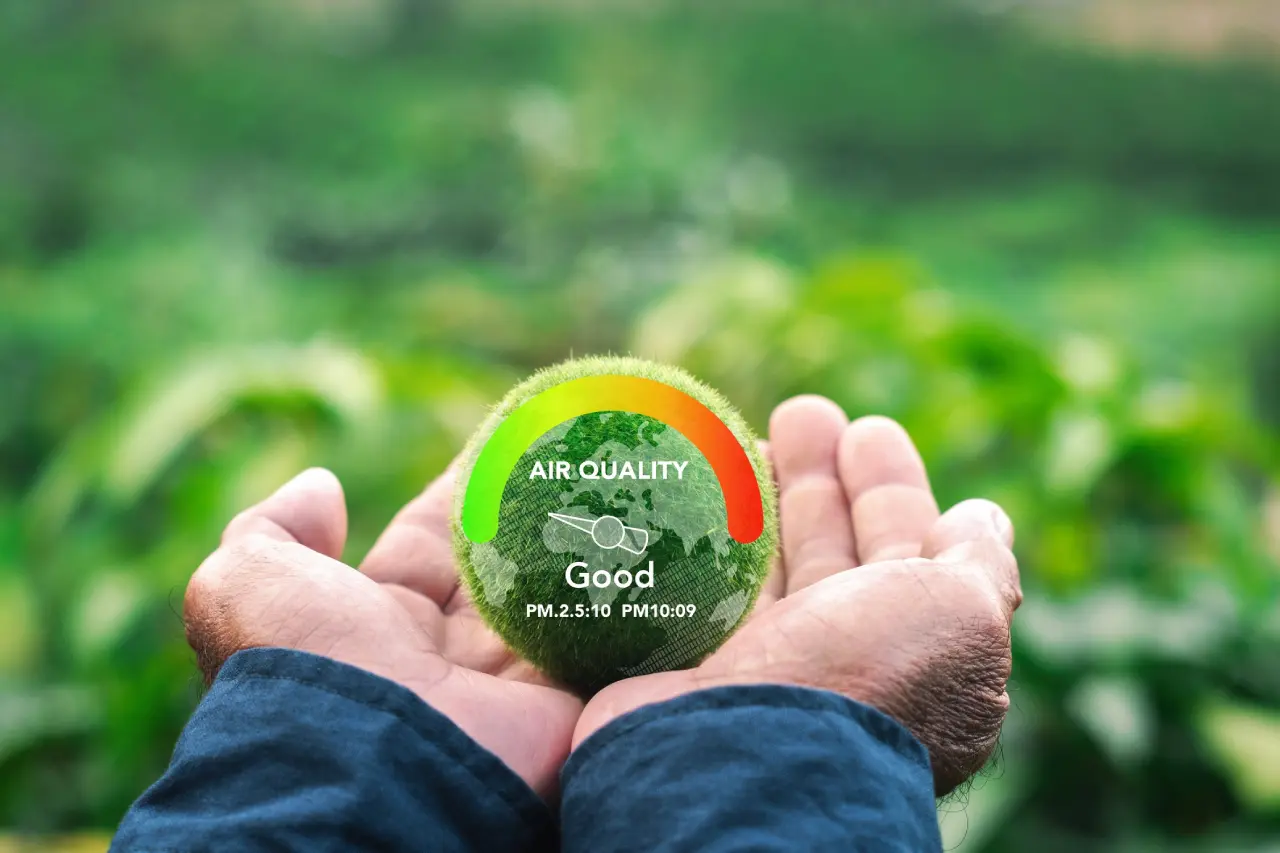
Air Emission Confirmation
ECF helps confirm actual deposition areas predicted by air transport models. This work can involve site specific background assessments, forensic microscopy, and spatial mapping of chemical fingerprints in surficial deposits.

Mixed Plume Analysis
Distinguishing mixed plumes of contaminants from multiple sources in water, soil, sediment, air, and tissue often requires univariate and multivariate lines of evidence. ECF visualizes unmixed plumes using GIS, PCA, and other graphic platforms.

Litigation Support
ECF offers expert services to legal teams in matters of contaminant source attribution and allocation in US state and federal courts as well as international tribunals. Its data driven solutions help settle disputes between individual parties and among PRP groups.